Uncategorized

“Konami Emphasizes the Importance of Real People in Game Development Amidst Industry Shift Towards Generative AI”

I’ve taken a habit, recently, to proclaim my desire to explode in lieu of anything more realistically violent I could wish upon myself when I feel stressed. And, in what would likely be more concerning if I were a sentient bomb talking to a bomb diffusal squad, I’ve been saying that a lot lately, primarily because of the copious amounts of AI nonsense I’ve been seeing… everywhere. Epic Games, the ever-boycottable company called Microsoft, the decompiling community, the poison has found its way into everyone’s veins and it’s making me want to, say it with me now, explode! So you can imagine my relief to hear a developer say they don’t think AI will make a massive impact. The developer? Perhaps surprisingly, Konami.

Read more

Uncategorized

Cost of Memory Parts for PlayStation 6 Projected to Surpass $700

### The Future of Home Consoles: Rising Costs and Shifting Paradigms

The home console industry finds itself at a crucial juncture in its development, characterized by notable changes in technical expenses and consumer inclinations. As the gaming world approaches a new generation, the forthcoming introduction of devices such as the PlayStation 6 and the latest Xbox version raises worries regarding financial accessibility for gamers.

#### Escalating Costs of Development

Recent reports indicate that the financial implications of the next console generation will be substantial. An AMD insider named “KeplerL2” indicated that the memory costs for the PlayStation 6 might surpass $700, potentially elevating the overall price to more than $1,000. This rising expenditure reflects a wider trend in consumer tech, where increasing costs are becoming more prevalent. Specifically, the demand for high-end components propelled by the AI industry has resulted in soaring prices for vital hardware such as RAM and SSDs, which consumers have experienced directly in recent years.

#### The AI Boom’s Impact on Hardware

The swift expansion of the AI sector significantly influences the rising expenses in gaming technology. Enterprises within this field have strengthened their positions by securing access to crucial suppliers, like NVIDIA, further straining the already limited supply chain for gaming components. As businesses continue to invest heavily in AI-focused solutions, the complete effect on prices for gaming consoles and related hardware is expected to be fully understood in time.

#### Consumer Sentiment and the All-Digital Future

Despite the industry’s momentum toward a fully digital future, numerous gamers remain reluctant. This doubt is intensified by the growing expenses linked to home consoles and the perceived importance of physical media in an increasingly digital environment. Sony’s shift away from physical discs has ignited conversations, with players worried about the consequences of a completely digital marketplace, including possible restrictions on game sharing and ownership.

#### Shifts in Business Strategies

The console market has seen a considerable evolution regarding financial tactics. Historically, firms like Sony and Microsoft would subsidize hardware expenses, banking on profitable game sales and licensing to recover initial losses. Nonetheless, trends indicate a pivot towards focusing on game designs that promote extended playtimes over numerous titles, challenging the former subsidization model. This evolution has led Sony and others to investigate different revenue avenues, such as cross-media initiatives and live service games.

#### The Current Generation’s Price Hike

Currently, the existing generation of consoles—comprising the PlayStation 5, Xbox Series X, and Nintendo Switch 2—has experienced an unusual trend of rising prices over time, contrasting with the historical pattern of price decreases following launch. This phenomenon raises urgent inquiries about how much further costs will rise and which segments of the gaming audience will adjust to these financial shifts.

#### Conclusion

As the gaming industry finds itself at this significant point, the future of home consoles seems poised for heightened costs and a transforming landscape. The impending release of the PlayStation 6 and the upcoming Xbox could herald a new era for gaming, yet with escalating prices, it remains uncertain how consumers will react and what strategies companies will adopt to face these challenges. The interaction between rising costs, consumer choices, and technological advancements will shape the next chapter in console gaming—a story still in the making.

Uncategorized

“Trailblazers: Into The March – A Roguelite Colony Simulation Inspired by RimWorld and Moebius, Featuring a Demo of Its Massive Landships”

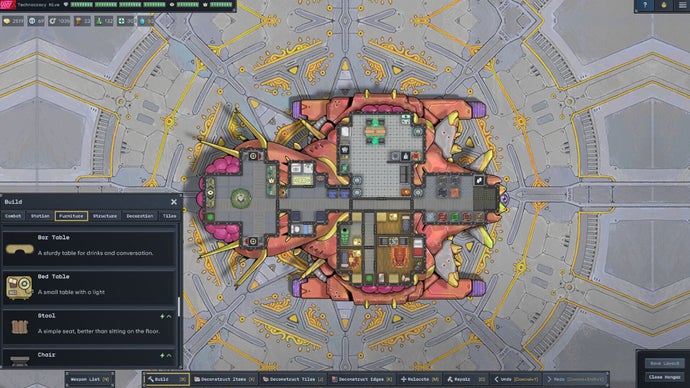
With the devs behind RimWorld gearing up for their next game with a recent engine switch, it’d be entirely fair if you were hankering for something new (if still familiar enough) yourself. Trailblazers: Into The March is one such game, having introduced itself to us earlier this year, a mishmash of the aforementioned colony sim, Nausicaa, Moebius, Andrei Tarkovski, Jeff Vandermeer, and FTL: Faster Than Light by Edwin’s measure. And now you don’t just have to look at its trailers, because there’s a demo for you to have a go at.

Read more

Uncategorized

Creators of Needle In A Haystack Clone Reportedly Have Their Game Modified by Vibe-Coder

### The Debate Over Clones of “Needle In A Haystack”

The gaming world is currently caught up in a captivating debate concerning cloning and code replication among independent developers. The crux of the matter centers on various versions of a game named *Needle In A Haystack*, which is derived from the originally popular *Needle In A Haystack Simulator*. Noteworthy is the fact that the creators of one clone, NoGlyph, have recently claimed that another clone, *A Game About Needle In A Haystack* by Little Field Studios, has directly lifted their code, raising concerns about authenticity and creativity within the gaming community.

#### Overview of the Clones

The gaming environment has witnessed an influx of clones following the explosive popularity of *Needle In A Haystack Simulator*. After the game gained substantial buzz across social platforms in August, Steam users observed the swift emergence of similar titles such as *A Needle In a Haystack* and *Story of The Needle In a Haystack*. Currently, there are no fewer than fourteen clones of the original game available on Steam, with NoGlyph’s iteration making its debut on September 29.

#### The Claims of Code Theft

On October 17, NoGlyph highlighted serious issues regarding *A Game About Needle In A Haystack*, which had just been released a day earlier. According to NoGlyph, upon reviewing the game’s files, they found 13 classes within the game that had the same names as theirs, with a majority of the functions in that section aligning with their own code. Disturbing factors included certain error messages that were identical to NoGlyph’s work, indicating a concerning degree of code duplication.

Lead developer Jahvin from Little Field Studios acknowledged that their game featured 39 methods named exactly like those in NoGlyph’s code, asserting that they were “byte-for-byte identical.” This fueled further speculation about the potential application of sophisticated decompilation techniques, often supported by AI tools like Claude, which might enable developers to extract and reuse code from pre-existing games.

#### Community Responses

Interestingly, reactions from the gaming community have been varied. Some commentators noted the irony and “karma” in NoGlyph’s predicament, interpreting it as a result of their own dependency on Studio Bitdot’s original game for inspiration. Moreover, the idea of “vibe-coded” games—projects rapidly developed using existing works as templates—has ignited larger dialogues about originality and plagiarism in game design.

Beyond individual circumstances, this trend raises critical inquiries about the trajectory of indie gaming. As emphasized in multiple articles, the simplicity with which games can be cloned using AI has caused some developers to hold back on project announcements due to concerns over immediate imitation. For instance, Alliance Arts, the developers behind *Drunken Goddess Reflux*, chose not to unveil a demo, fearing it could result in quick clones that exploit their intellectual property.

#### The New Reality for Indie Games

The rise of clones and the ensuing legal and ethical dilemmas seem to be a new norm for indie game creators. Unlike large studios that possess the means to legally challenge infringement, indie developers frequently lack the capacity to safeguard their creations adequately. Consequently, many are anticipated to avoid offering demos or trailers—essential tools for marketing and community interaction—due to worries that such visibility might result in unauthorized copies.

In summary, the events surrounding *Needle In A Haystack* and its clones not only reveal vulnerabilities in the indie gaming landscape but also underscore the wider implications of AI-aided development and code sharing. As this narrative continues to evolve, it serves as a cautionary example of the delicate balance between inspiration, innovation, and integrity in the gaming realm.


Uncategorized

Potential Remaster of the Original Black & White Announced by Peter Molyneux Amidst Uncertainty for Black & White 3

Peter Molyneux feels like a man who can never die. He’s just sort of always been there, and seems like he always will be, making some kind of game where you can hypothetically do what you want, never quite living up to expectations. But hey, he’s Peter Molyneux, what else would you expect? The complicated icon is still ticking away at his latest, Masters of Albion, but in a recent interview, he spoke of one of his old classics, Black & White, and the idea of a third entry in the series (and the fact that there might be something newish on the way).

Read more

Uncategorized

Debra Wilson Raises Concerns Over Ongoing Use of Her Image in Video Games

### The Career of Debra Wilson in Video Game Voice Acting

Debra Wilson is a name that has made waves in the gaming community, not solely for her vast portfolio but also for her distinct presence in numerous notable video games. Throughout her career, Wilson has provided her voice to a variety of characters in acclaimed titles such as *Wolfenstein*, *Wolverine*, *Suicide Squad*, *Star Wars Jedi*, and *Death Stranding*. However, Wilson’s likeness is frequently featured in these games, a phenomenon she finds intriguing.

In an open conversation on the podcast *Hyperfixated*, Wilson expressed her views on her likeness being utilized in video game character designs. Contrary to popular belief, she disclosed that the choice often lies with the developers. “Honestly, I love games where they don’t look like me at all,” she noted. The voice actress conveyed her wish for a fully immersive experience into character roles, where she can morph and embrace diverse identities, rather than portraying herself.

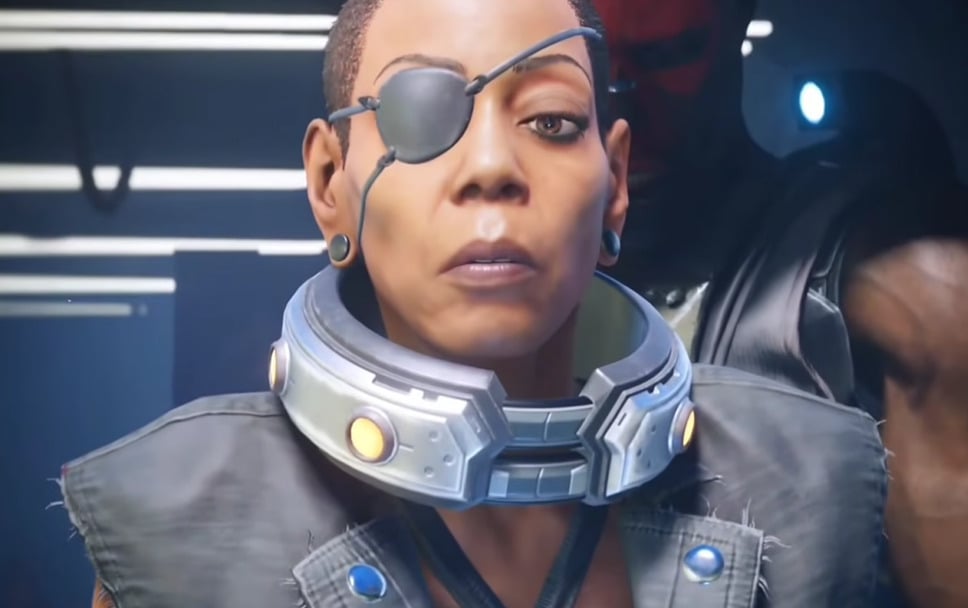
This discussion received renewed attention after the launch of *Marvel’s Wolverine*, where Wilson took on the role of the one-eyed Morlock leader Callisto. Insomniac Games, recognized for their dedication to casting that reflects the original actors, opted to incorporate Wilson’s likeness—an approach also evident in other prominent franchises like *Call of Duty* and *Death Stranding*. Notably, while Wilson shares her appearance with characters in titles like *Suicide Squad: Kill the Justice League* and *Wolfenstein*, she remains distinctive among her contemporaries in this aspect.

The responses to Wilson’s casting have ignited various conversations within gaming communities. Some fans have humorously speculated about conspiracies regarding her casting choices, while others credit it to her remarkable acting talent. Del Walker, a peer who has collaborated with her, remarked on the exceptional level of skill Wilson brings to her performances, comparing her audition videos to “1996 Michael Jordan showing up at a high school basketball game.” This emphasizes the competitive advantage and expertise that Wilson holds, making her an ideal candidate for prominent roles.

The incorporation of seasoned actors like Wilson into the gaming world mirrors a larger trend where the distinctions between film, television, and video games are increasingly merging. As the traditional studio landscape evolves, many well-known actors are broadening their careers, participating in video games more often than in the industry’s early days. The emphasis on star power in video games has resulted in iconic characters being represented by high-caliber talents, enriching the storytelling experience.

As we recognize the contributions of actors like Debra Wilson, it is crucial to appreciate the progression of voice acting in video games—a field that has transformed from niche to mainstream. Her journey illustrates the thrilling intersection of talent and technology, consistently pushing the limits of what character actors can accomplish in the digital landscape. With each role, Wilson not only enchants audiences but also creates pathways for future voice actors in a medium that continues to prosper and innovate.

Uncategorized

“Rain98: A Blue-Hued Visual Novel Inspired by Serial Experiments Lain, Focused on Time Travel to Prevent World Destruction”

Picture this. You’re me, and you boot up the demo for Rain98, an incredibly blue-looking, rainy visual novel set in Tokyo, 1998, about a woman who refers to herself as the Angolmois, a world-ending reference to the predictions of good ole Nostradamus. At one point you have to light this woman’s cigarette in a lightly stylish sequence. You get to a bit where you’re asked to put your name in, and you put it in because like its predecessors, this is surely a self-insert kind of situation. Only you get a Steam achievement for getting a game over for putting your name in. Rude! But curious, so you, and of course I mean I, pressed on.

Read more

Uncategorized

Car Park Capital: A Study of Its Standing as the Most Difficult Simulator

### Delving into the Satirical Aspects of *Car Park Capital*: An Original Perspective on Simulation Games

In a realm where video games have evolved to replicate everything from agriculture to managing advanced streamers, the simulation genre consistently astonishes with its diversity and depth. Nonetheless, few titles explore the societal ramifications of such simulated ventures. *Car Park Capital*, an innovative satirical parking lot simulator, raises critical inquiries about the lengths one might pursue to build the most prosperous parking empire and the societal repercussions of that success.

#### A Satirical Perspective on Urban Growth

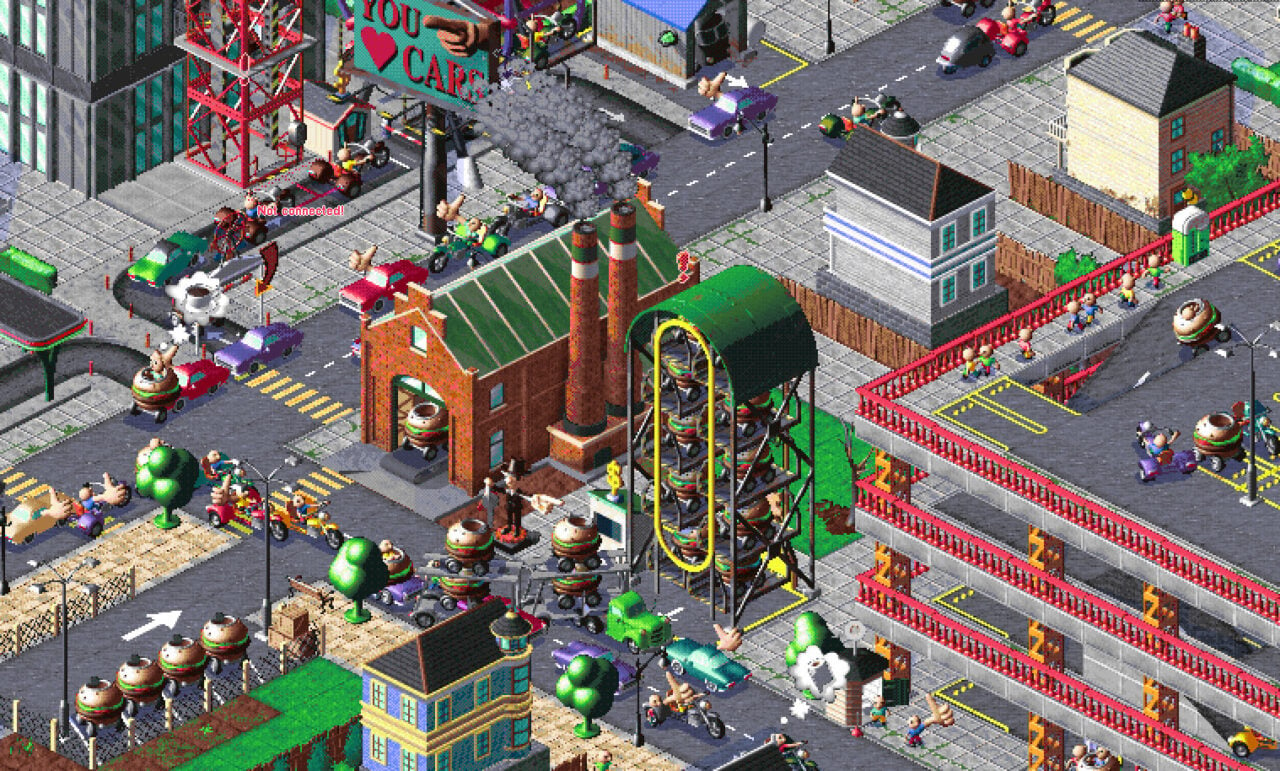
*Car Park Capital*, created by Hilkojj Interactive, balances absurdity and critique. Drawing inspiration from prominent urban planners such as Robert Moses, who famously transformed American metropolises, the game casts players as architects of urban spaces motivated by profit. The tutorial, which sets players on the path to establishing their empire within a bustling amusement park, swiftly shifts their attention from the enjoyment of theme parks to the monotonous yet lucrative realm of managing parking spaces. Players discover how to maximize their parking operations through price modifications, signage, and even strategies like undermining public transport.

#### Comprehensive Gameplay Dynamics

As players advance, they reveal the intricacies behind what appears to be straightforward parking lot management. The journey begins with a limited parking area in a densely populated city. To acquire more space, players must evict residential properties, leading to the establishment of expansive developments that will increase road traffic. This ripple effect compels players to assume various roles—property developer, oil magnate, and fast-food entrepreneur—illustrating the interconnection between urban infrastructure and commercial greed.

The gameplay underscores the darker aspects of capitalism. To expand parking availability, players can dismantle local infrastructure, privatize public services, and even establish a private police force to manage dissent. This satirical narrative intensifies the critique of urban planning historically focused on prioritizing car culture over communal areas, resonating with real-life debates surrounding development and environmental harm.

#### An Engaging Yet Imperfect Cycle

Despite its captivating mechanics and dark comedy, *Car Park Capital* prompts examination regarding the enduring appeal of its gameplay cycle. As players build power and profitability, the challenge may wane, resulting in feelings of invincibility that lessen the game’s intensity. Presently in early access, players can also explore settings like the Florida Keys, gaining further insight into the potential destructiveness of uncontrolled expansion.

The game provides a stark reflection on contemporary urban settings, mirroring the persistent conflicts between development and community priorities. As players pursue their visions of a lucrative parking enterprise, they encounter disquieting realities about the societal expenses entwined with these decisions. The juxtaposition of light-hearted simulation and pointed critique establishes *Car Park Capital* as a thought-provoking addition to the genre, urging players to consider their in-game choices and their actual world ramifications.

In conclusion, *Car Park Capital* transcends being merely another simulator—it’s a satirical investigation of urban development, capitalism, and the ethical dilemmas encountered in the quest for achievement. Its engaging gameplay, combined with its thought-provoking narrative, provides players with a unique outlook on the socio-economic dynamics influencing their own cities. As the simulation genre evolves, offerings like this remind us that every side venture carries significant consequences.

Uncategorized

A Weekly Compilation of Sunday Newspaper Highlights

Sundays are for firing up Twine again and thinking you know what, if this swanky IF plotter had been around when I was an undergraduate, I might have preserved all my exam revision notes in text adventure form. I still have two, reassuringly heavy boxes of tabbed and colour-coded index cards that you could plausibly lay out to form a maze, navigable by compass commands. Head down the western corridor from Middle English to the Renaissance, and – ah, bollocks, you have been eaten by a Grue. Surely somebody’s thought of this, in the decade and change since Twine was released? I mean, we already have 3D museum exhibits extracted from Wikipedia.

Sundays are also for heading to the allotment and getting annoyed with the tomato plants, who have decided to go bonkers right at the end of the growing season. I thought you were done, pesky nightshades. I thought I could leave you alone for the rest of the year. Finally, Sundays are for sharing good criticism, like the below.

Read more

Uncategorized

Jeremiah Kipp, the Director of The Mortuary Assistant, Has Passed Away

**In Memoriam: Jeremiah Kipp, Visionary Underground Horror Director**

The underground horror film scene is grieving the passing of Jeremiah Kipp, a pivotal figure in indie filmmaking, who recently died, as verified by his partner Lindsay Katt and The Long Island International Film Expo. Kipp, celebrated for his distinctive perspective and fervor for narrative crafting, has left an enduring legacy that has influenced many within the industry.

Kipp’s most prominent recent endeavor was an adaptation of the acclaimed indie horror game *The Mortuary Assistant*, released earlier this year. The film features actress Willa Holland as Rebecca—a woman seeking a new beginning through her employment at a morgue—exploring psychological horror as the main character confronts eerie visions and a malevolent force tied to the deceased she meets. The narrative intricately weaves together elements of suspense and the supernatural, providing a chilling experience that resonates with horror fans.

In a statement, The Long Island International Film Expo praised Kipp as “a gentle soul who was always generous with advice and sharing his knowledge of cinema.” His contributions to the field went beyond directing; he mentored numerous emerging filmmakers, imparting his insights and enthusiasm for the craft.

Kipp’s impact touched many lives, reflected in heartfelt tributes from those who were fortunate to collaborate with him. A particularly touching message from a colleague reminisced about Kipp’s encouragement in bringing their dark narrative to fruition through the film *Crestfallen*. This highlights Kipp’s role not only as a director but as a proponent for genuine and personal storytelling in film.

Alongside *The Mortuary Assistant*, Kipp directed various indie horror films, including *Slapface*, which garnered positive feedback on platforms like Shudder. His final completed project, *Faceless*, inspired by Cambodian folklore, underscored his commitment to exploring varied narratives and cultural themes within the horror domain.

Kipp’s work on *The Mortuary Assistant* represented a significant achievement for publisher DreadXP, a company recognized for its fresh approach to video game adaptations in horror. Although the film did not reach the widespread acclaim of other adaptations like *Iron Lung*, it successfully connected with its intended audience, reinforcing DreadXP’s standing in cross-media storytelling.

As tributes continue to emerge from the horror community, Kipp’s legacy embodies mentorship, creativity, and an unwavering passion for the art of storytelling. He leaves behind not only a portfolio of work that will keep inspiring future filmmakers but also a community that will eternally appreciate his contributions to the realm of horror cinema.